What’s New on Slovak Motorways in 2026
Slovak motorways are not moving forward dramatically in 2026, but rather step by step. Some sections are becoming faster, others are still under construction, and between them remain places where driving speed drops significantly. Looking at the map, everything may seem simple, but the reality on the road is still somewhat more complicated.
If you travel through Slovakia regularly, the differences compared to previous years are easy to notice. It is not about one major change, but rather a series of smaller improvements that are gradually starting to make sense together.
D1: The Main Route That Still Isn’t Finished
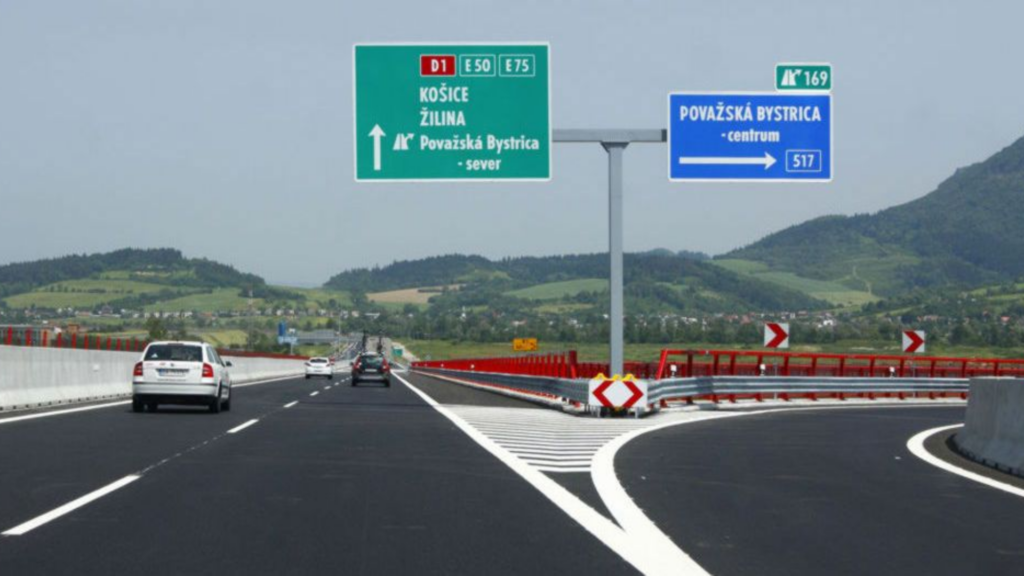
Beginning January 1, 2025, new regulations require an electronic verification of the vignette’s validity at all major highway checkpoints. For example, on the D1 motorway—which connects Bratislava to Košice—drivers will now pass through automated checkpoints equipped with state-of-the-art control cameras manufactured by Bosch. These cameras will be linked to a central database managed by Slovak authorities, enabling immediate identification of vehicles without a valid vignette.
Višňové Tunnel: Noticeable Progress Near Žilina
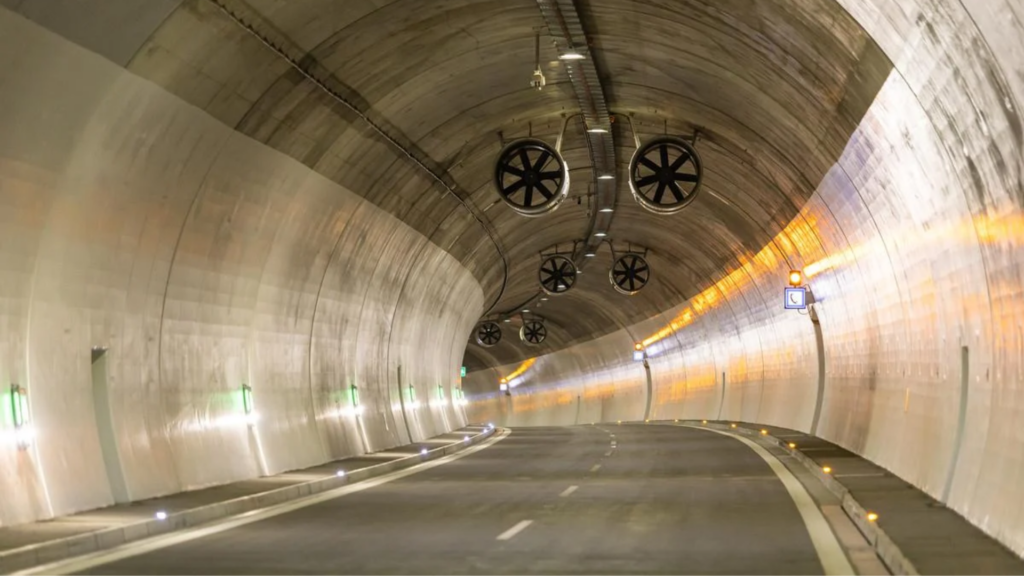
One of the most visible changes in recent years is the Višňové Tunnel, which has been in operation since 2025. The area near Žilina had long been one of the most problematic points along the D1 route.
The opening of the tunnel has significantly improved traffic flow, and driving through the area is now faster and more predictable. However, drivers should still expect occasional short-term closures due to maintenance, which is common for infrastructure of this type.
The R2 Is Becoming More Important
Alongside the D1, the R2 expressway is gradually gaining importance. Although it still does not form a continuous route, its role grows with every newly opened section.
For some journeys, it already makes sense to use it, because it helps reduce pressure on northern Slovakia and lowers traffic in smaller towns that would otherwise handle long-distance transit traffic.
The Area Around Bratislava: Traffic That Never Stops
The highest traffic density remains around Bratislava. This is where urban traffic meets vehicles traveling across the entire country, and even minor restrictions can cause delays for extended periods.
Traffic jams during peak hours and slowdowns after accidents are typical. When driving through Bratislava, it is worth monitoring the current traffic situation and expecting that arrival times may not always be accurate.
Rest Areas: A Weak Point of the Entire Network
The capacity of rest areas has long been insufficient. In the evening, they are often full, and finding a free parking space can be difficult, especially on major routes.
This also affects safety, because some vehicles stop outside designated areas. Although the situation is gradually improving, it is still not improving as quickly as traffic volumes are increasing.
Construction Continues, but Faces Reality
Compared to some other countries, Slovakia faces more difficult conditions for motorway construction, mainly because of the terrain. Tunnels, bridges, and technically demanding sections extend the construction process and often delay completion dates.
As a result, the motorway network is growing, but changes are not immediate. It is more of a gradual improvement that becomes visible only over a longer period of time.

What’s New on Slovak Motorways in 2026
Slovak motorways are not moving forward dramatically in 2026, but rather step by step. Some sections are becoming faster, others are still under construction, and between them remain places where driving speed drops significantly. Looking at the map, everything may seem simple, but the reality on the road is still somewhat more complicated.
If you travel through Slovakia regularly, the differences compared to previous years are easy to notice. It is not about one major change, but rather a series of smaller improvements that are gradually starting to make sense together.
D1: The Main Route That Still Isn’t Finished
Beginning January 1, 2025, new regulations require an electronic verification of the vignette’s validity at all major highway checkpoints. For example, on the D1 motorway—which connects Bratislava to Košice—drivers will now pass through automated checkpoints equipped with state-of-the-art control cameras manufactured by Bosch. These cameras will be linked to a central database managed by Slovak authorities, enabling immediate identification of vehicles without a valid vignette.
Višňové Tunnel: Noticeable Progress Near Žilina
One of the most visible changes in recent years is the Višňové Tunnel, which has been in operation since 2025. The area near Žilina had long been one of the most problematic points along the D1 route.
The opening of the tunnel has significantly improved traffic flow, and driving through the area is now faster and more predictable. However, drivers should still expect occasional short-term closures due to maintenance, which is common for infrastructure of this type.
The R2 Is Becoming More Important
Alongside the D1, the R2 expressway is gradually gaining importance. Although it still does not form a continuous route, its role grows with every newly opened section.
For some journeys, it already makes sense to use it, because it helps reduce pressure on northern Slovakia and lowers traffic in smaller towns that would otherwise handle long-distance transit traffic.
The Area Around Bratislava: Traffic That Never Stops
The highest traffic density remains around Bratislava. This is where urban traffic meets vehicles traveling across the entire country, and even minor restrictions can cause delays for extended periods.
Traffic jams during peak hours and slowdowns after accidents are typical. When driving through Bratislava, it is worth monitoring the current traffic situation and expecting that arrival times may not always be accurate.
Rest Areas: A Weak Point of the Entire Network
The capacity of rest areas has long been insufficient. In the evening, they are often full, and finding a free parking space can be difficult, especially on major routes.
This also affects safety, because some vehicles stop outside designated areas. Although the situation is gradually improving, it is still not improving as quickly as traffic volumes are increasing.
Construction Continues, but Faces Reality
Compared to some other countries, Slovakia faces more difficult conditions for motorway construction, mainly because of the terrain. Tunnels, bridges, and technically demanding sections extend the construction process and often delay completion dates.
As a result, the motorway network is growing, but changes are not immediate. It is more of a gradual improvement that becomes visible only over a longer period of time.